វចនានុក្រមគុនខ្មែរ

Glossary

Complete Khmer and Kun Khmer terminology reference

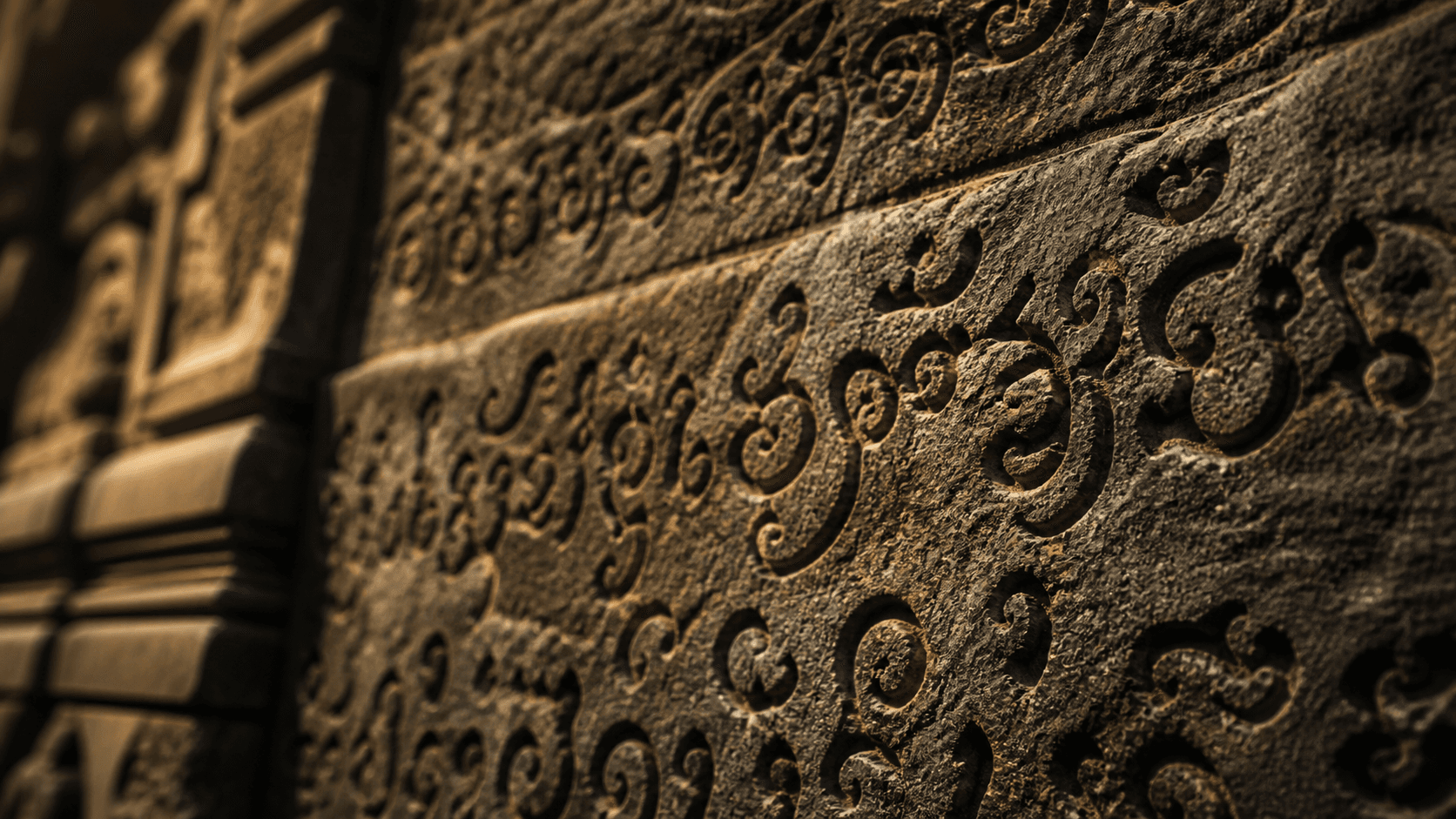
Ancient Khmer script carved in stone

Showing 100 terms

A

Angkor

អង្គរGeneral

The ancient Khmer Empire and its capital city, where bas-reliefs at temples like Angkor Wat and Bayon depict warriors using techniques recognizable as early forms of Kun Khmer, providing evidence of the art's ancient origins.

Apsara

អប្សរាCulture

Celestial dancing figures depicted in Angkorian temple carvings. Elements of Apsara dance influence the graceful movements seen in the Wai Kru ceremony before Kun Khmer fights.

B

Bak Muk

បែកមុខTechnique

Parry or deflection. Redirecting an incoming strike rather than absorbing it, using the hands, forearms, or shoulders to guide the attack away from its target.

Banh Chol

បញ្ចូលTechnique

Clinch entry. The act of closing distance and securing a clinch position, a critical skill in Kun Khmer where much of the fighting takes place in close quarters.

Bas-Relief

ចម្លាក់General

Carved stone panels on Angkorian temples that depict scenes of daily life, warfare, and martial arts. The bas-reliefs at Bayon temple are particularly important for documenting ancient Khmer fighting techniques.

Bat Koun

បាត់គូនTechnique

The general term for all elbow strikes in Kun Khmer. Elbows are considered the most devastating weapons in Khmer boxing and are a defining feature of the art.

Bat Koun Bong Venh

បាត់គូនបង្វិលTechnique

Uppercut elbow strike. Delivered in an upward arc targeting the chin, jaw, or solar plexus. Particularly effective in close-range exchanges and coming out of the clinch.

Bat Koun Choh

បាត់គូនចុះTechnique

Downward elbow strike, also known as a slashing elbow. Delivered in a downward chopping motion targeting the top of the head, forehead, or bridge of the nose. Extremely effective at opening cuts.

Bat Koun Khnong

បាត់គូនខ្នងTechnique

Horizontal elbow strike. Delivered in a horizontal arc parallel to the ground, targeting the temple, jaw, or side of the head. One of the most commonly used elbow strikes.

Bat Koun Kroam

បាត់គូនក្រោមTechnique

Reverse horizontal elbow. A backward-traveling elbow strike that catches opponents moving forward or circling into the strike. An advanced counter-striking technique.

Bat Koun Leut

បាត់គូនលើTechnique

Rising diagonal elbow. Delivered at an upward diagonal angle, targeting the chin or cheek. Combines elements of both the uppercut and horizontal elbows.

Bat Koun Phloh

បាត់គូនផ្លោះTechnique

Spear elbow or thrusting elbow. Delivered in a straight-line pushing motion using the point of the elbow, targeting the face, sternum, or ribs at close range.

Bat Koun Veng

បាត់គូនវេងTechnique

Spinning elbow strike. A highly advanced technique where the fighter spins the body to deliver a devastating elbow strike using rotational momentum. One of the most spectacular techniques in Kun Khmer.

Boak Khnong

បោកខ្នងTechnique

Clinch throw or sweep. A technique for off-balancing and throwing the opponent from the clinch position. Throws score well in Kun Khmer and can demoralize opponents.

Bok Chong

បោកជង្គង់Technique

The general term for all knee strikes in Kun Khmer. Knees are the second most prized weapon after elbows and are heavily used in clinch fighting.

Bok Chong Khang

បោកជង្គង់ខាងTechnique

Side knee strike. Delivered laterally to the thigh, ribs, or hip of the opponent, often used in the clinch to weaken the opponent's base and sap their leg strength.

Bok Chong Khnong

បោកជង្គង់ខ្នងTechnique

Straight knee strike delivered directly forward into the opponent's body or head. The most fundamental knee technique, driven by the hips with the ball of the foot pulled back.

Bok Chong Kurng

បោកជង្គង់កោងTechnique

Curving knee strike. Delivered in a circular arc targeting the ribs or midsection from the side, bypassing the opponent's guard. Effective from the clinch when the opponent blocks straight knees.

Bok Chong Lot

បោកជង្គង់ឡើងTechnique

Flying knee strike. An explosive leaping knee attack where the fighter launches off the ground to deliver maximum impact to the head or chest. A high-risk, high-reward technique.

Bok Chong Vear

បោកជង្គង់វែងTechnique

Long knee strike. A knee delivered at range, stepping forward to cover distance while driving the knee into the opponent. Used to close distance aggressively.

Bokator

បុកតោGeneral

An ancient Khmer martial art meaning "pounding the lion." A comprehensive fighting system that includes strikes, grappling, and weapons. Bokator is considered the ancestor art from which Kun Khmer evolved, retaining a wider range of techniques.
C

Chamnuos

ចំណុះGeneral

Weight class or division. The weight categories used to ensure fair matchups in Kun Khmer competition, similar to those used in boxing and other combat sports.

Chap Khnang

ចាប់ខ្នងTechnique

Body lock clinch. A clinch position where the arms wrap around the opponent's torso, used for throws, sweeps, and close-range knee strikes to the body.

Chap Kor

ចាប់កTechnique

Clinch lock or neck wrestling. The fundamental clinch position in Kun Khmer where the fighter controls the opponent's head and neck to deliver knees and elbows. A cornerstone of Khmer boxing.

Chap Kor Muay

ចាប់កមួយTechnique

Single collar tie. One hand controls the neck while the other hand controls the opponent's arm or bicep. Allows for a wider range of strikes than the double collar tie.

Chap Kor Pee

ចាប់កពីរTechnique

Double collar tie or plum position. Both hands are locked behind the opponent's neck, providing maximum control for delivering straight knee strikes.

Cheung

ជើងGeneral

Leg or foot. The striking limb for all kicks and the foundation for stance, balance, and footwork in Kun Khmer.

Chhoung

ឈូងTraining

Shadow boxing. Training alone without equipment, visualizing an opponent while practicing technique, footwork, and combinations. Essential for developing flow and muscle memory.

Choab

ចាប់Technique

To grab or clinch. A general term for the grappling range where fighters control and strike, encompassing all clinch techniques in Kun Khmer.

Chong Kang

ជង្គង់General

Knee (body part). The striking surface used for all Bok Chong techniques. Proper knee conditioning and alignment are essential for effective knee strikes.

Chong Kol

ជង្គោលGeneral

Knee (alternative term). Another Khmer word for the knee, used extensively in clinch range as one of the eight striking weapons.

D

Daek Khnong

ដែកខ្នងTraining

Shin conditioning. The practice of hardening the shins through repeated impact on heavy bags, banana trees (traditionally), or pads. Essential for delivering and receiving kicks.

Dai

ដៃGeneral

Arm or hand. The limb used for punches, elbows, clinch control, and blocking. Proper arm positioning forms the foundation of the Kun Khmer guard.

Dar

ដាល់Technique

The general term for punches in Kun Khmer. While punches are used, they are traditionally considered less important than elbows, knees, and kicks in Khmer boxing.

Dar Chong

ដាល់ត្រង់Technique

Cross or straight punch. A powerful straight punch delivered with the rear hand, rotating the hips for maximum power. The most powerful punch in the Kun Khmer arsenal.

Dar Kbal

ដាល់ក្បាលTechnique

Overhand punch. A looping punch delivered over the opponent's guard, arcing downward onto the top of the head or temple. Used against taller opponents or those with a high guard.

Dar Khorl

ដាល់កោងTechnique

Hook punch. A curved punch delivered in a horizontal arc targeting the jaw, temple, or body. Effective at close to mid-range.

Dar Lut

ដាល់ឡើងTechnique

Uppercut punch. An upward punch targeting the chin or body. Particularly effective when an opponent lowers their head or ducks into the strike.

Dar Mat

ដាល់មុខTechnique

Jab. A quick, straight punch delivered with the lead hand. Used primarily to set up other attacks, measure distance, and keep the opponent at bay.

Dar Song

ដាល់សងTechnique

Backfist strike. A quick whipping strike using the back of the fist, often used as a surprise technique to catch opponents off guard from unorthodox angles.

Dharma

ធម៌Culture

Buddhist moral law and ethical conduct. Kun Khmer fighters are expected to adhere to principles of dharma, which includes showing respect to opponents, teachers, and the traditions of the art.

Dong

ដងTechnique

Catch or trap. Catching an incoming kick with the hands or arms to control the opponent's leg, creating opportunities for sweeps, throws, or counter-attacks.

Dteh

ទាត់Technique

Kick (general term). A broad Khmer word for kicking techniques, encompassing all varieties of kicks used in Kun Khmer competition.

K

Kaa

កាTraining

Sparring. Controlled practice fighting with a training partner to develop timing, distance management, and the ability to apply techniques under pressure.

Kam Lang

កម្លាំងTraining

Strength or power. Training focused on developing striking power through resistance exercises, plyometrics, and explosive drills specific to Kun Khmer.

Kamlang Chet

កម្លាំងចិត្តCulture

Fighting spirit or warrior heart. The mental toughness and determination that is considered essential for any Kun Khmer fighter. Valued as highly as physical technique.

Kat Keng

កាត់ជើងTechnique

Roundhouse kick. The fundamental circular kick delivered with the shin, targeting the legs, body, or head. The most commonly thrown kick in Kun Khmer competition.

Kbach

ក្បាច់General

Technique or form. Refers to both individual techniques and traditional choreographed sequences in Kun Khmer. Also used in Khmer dance to describe specific movement patterns.

Kbal

ក្បាលGeneral

Head. A primary target in Kun Khmer, particularly for elbows, high kicks, and knees. Strikes to the head score highly in competition.

Keng Chak

ជើងចាក់Technique

Axe kick or downward heel kick. The leg is raised high and brought down in a chopping motion onto the opponent's head, shoulder, or collarbone.

Keng Chiang

ជើងខ្ពស់Technique

High roundhouse kick. A roundhouse kick specifically targeting the head or neck. Requires significant flexibility and is one of the most dramatic scoring techniques.

Keng Kraom

ជើងក្រោមTechnique

Low kick targeting the thigh or calf. Used to damage the opponent's legs, slow their movement, and compromise their balance over the course of a fight.

Keng Lot

ជើងឡើងTechnique

Jump kick. An airborne kick where the fighter leaps to deliver a roundhouse or push kick from an elevated position. Used to catch opponents off guard with unexpected angles.

Keng Phka

ជើងផ្កាTechnique

Foot jab or flicking front kick. A quick snapping kick delivered with the ball of the foot to the face or body, used to disrupt and score at range.

Keng Veng

ជើងវេងTechnique

Spinning back kick. A powerful kick delivered by spinning the body and thrusting the heel backward into the opponent. Can generate enormous force but leaves the fighter temporarily vulnerable.

Khmer

ខ្មែរGeneral

The Khmer people, language, and culture of Cambodia. Kun Khmer is the martial art of the Khmer civilization, with roots stretching back to the Angkor Empire.

Khmer Rouge

ខ្មែរក្រហមGeneral

The genocidal regime (1975-1979) that devastated Cambodia, killing an estimated 1.7-2.5 million people including many Kru and fighters. The Khmer Rouge period nearly destroyed Kun Khmer and is the defining tragedy in the art's history.

Khnang

ខ្នងGeneral

Shin. The primary striking surface for roundhouse kicks in Kun Khmer. Proper shin conditioning is essential for both offense and defense.

Kong Tauch

គងតូចCulture

A smaller set of tuned gongs that complements the Kong Thom in the Pinpeat ensemble, providing higher-pitched melodic elements during Kun Khmer musical accompaniment.

Kong Thom

គងធំCulture

A large set of tuned gongs arranged in a semi-circular frame, part of the Pinpeat ensemble. Provides harmonic richness and ceremonial gravity to the fight music.

Kor

General

Neck. The primary control point in clinch fighting. Controlling the opponent's neck is the foundation of Kun Khmer clinch work.

Kru

គ្រូCulture

Teacher or master. The title given to a Kun Khmer instructor who has demonstrated mastery of the art. A Kru is not only a technical instructor but also a moral and spiritual guide for students.

Krueng Rang

គ្រឿងរាងCulture

Amulets and talismans worn by fighters for spiritual protection. Part of the animist and Buddhist traditions that underpin Kun Khmer culture. May include small Buddha images, inscribed metal, or blessed cloth.

Kun Khmer

គុនខ្មែរCulture

Literally "Khmer Boxing" or "Khmer Martial Art." The traditional martial art of Cambodia that uses striking with fists, elbows, knees, and kicks. The preferred modern term for the art, emphasizing its Cambodian heritage.

L

Lot Khluon

ហាត់ខ្លួនTraining

Physical conditioning or body training. The conditioning exercises used to prepare the body for fighting, including running, bodyweight exercises, and specific Kun Khmer drills.

M

Mongkol

មង្គលCulture

A sacred headband worn during the Wai Kru ceremony. Believed to contain spiritual blessings from the fighter's Kru and is removed before the fight begins. Handling by anyone other than the fighter or Kru is considered disrespectful.

Muk

មុខGeneral

Face. A key target area for jabs, crosses, elbows, and high kicks. Opening cuts on the face with elbows is a common strategy in Kun Khmer.

N

Nak Muay Khmer

អ្នកមួយខ្មែរCulture

A Khmer boxer or practitioner of Kun Khmer. The term for someone who fights or trains in the Cambodian martial art, equivalent to the Thai term "Nak Muay."

Neakru

នាគរូCulture

Grand master or senior teacher. A higher level than Kru, reserved for the most experienced and respected masters who have dedicated their lives to preserving and teaching Kun Khmer.

P

Pea Reak Sa

ពារការពារTechnique

Block or guard. The general term for defensive blocking techniques in Kun Khmer, including high guard, low guard, and specific blocks for different attacks.

Phka Robam

ផ្ការបាំTraining

Technique drills or combination practice. Repetitive drilling of specific techniques or combinations to build muscle memory and perfect form.

Pinpeat

ពិណពាទ្យCulture

The traditional Cambodian musical ensemble that accompanies Kun Khmer fights. The music is integral to the ritual and competitive aspects of the sport, setting the rhythm and intensity of the bout.

Pradal

ប្រដាល់General

Boxing or fighting. The Khmer word for combat or boxing, used in combination with other words to describe different forms of fighting.

Pradal Serey

ប្រដាល់សេរីCulture

Literally "Free Fighting." An older term for Cambodian boxing that was widely used before "Kun Khmer" was promoted as the official name to distinguish the art from Muay Thai. Still used in some contexts.

Prajioud

ប្រជៀវCulture

Sacred armbands worn by fighters during both the ceremony and the fight itself. Believed to provide spiritual protection and contain blessings. Traditionally made from cloth blessed by monks or the fighter's Kru.

Pranh Khnong

ប្រណាំងខ្នងTraining

Clinch sparring or clinch drilling. Dedicated training focused on clinch techniques including neck wrestling, knee strikes from the clinch, and sweeps.

R

Ram Muay

រាំមួយCulture

The ritualistic dance component of the pre-fight ceremony, similar to the Thai Ram Muay but with distinctly Khmer movements derived from Apsara dance traditions and Angkorian martial heritage.

Reap Chom

រៀបចំTraining

Fight preparation or fight camp. The period of intensified training leading up to a scheduled bout, typically lasting 6-8 weeks with a structured training plan.

Roleak

រលាកTechnique

Evasion or slip. Defensive movement using the head, torso, or footwork to avoid incoming strikes without blocking. Includes slips, bobs, weaves, and pull-backs.

Roneat

រនាតCulture

A traditional Cambodian xylophone made of bamboo or hardwood bars. Part of the Pinpeat ensemble that provides melodic accompaniment during Kun Khmer bouts and the Wai Kru ceremony.

S

Sak Yant

សាក់យ័ន្តCulture

Sacred tattoos believed to provide mystical protection, power, or good fortune to fighters. The tradition of Sak Yant is shared across mainland Southeast Asian martial cultures and has deep roots in Khmer spiritual practice.

Sala Chhan

សាលាច្បាំងGeneral

Fighting arena or ring. The venue where Kun Khmer bouts take place. Modern bouts use a standard boxing ring, though historically fights occurred in open areas or raised platforms.

Samnak

សំណាក់Training

Training camp or gym. The place where fighters train, often led by a single Kru and operating as a close-knit community of fighters.

Sampeah

សំពះCulture

The traditional Khmer greeting gesture of pressing the palms together and bowing. Used to show respect before and after training and fighting. The height of the hands indicates the level of respect.

Sampho

សម្ផោCulture

A small double-headed barrel drum that is the rhythmic leader of the Pinpeat ensemble. The Sampho player controls the tempo and energy of the music during a Kun Khmer fight, accelerating the rhythm as the action intensifies.

Sangkum

សង្គមCulture

Refers to the Sangkum Reastr Niyum era (1955-1970) under King Sihanouk, considered the golden age of Cambodian boxing when the sport enjoyed royal patronage and widespread popularity.

Serey

សេរីGeneral

Freedom or free. Used in the term Pradal Serey to denote the free or unrestricted nature of the fighting style, which allows strikes with all eight limbs.

Skor Thom

ស្គរធំCulture

Large bass drums that provide the deep, resonant foundation of the Pinpeat ensemble during Kun Khmer events. Their booming sound adds dramatic intensity to the fights.

Sok

សក់General

Elbow (body part). One of the eight limbs used in Kun Khmer and a devastating close-range weapon that defines the Cambodian fighting style.

Sralai

ស្រឡៃCulture

A quadruple-reed oboe that provides the distinctive, piercing melodic sound of the Pinpeat ensemble. Its haunting tone is one of the most recognizable elements of a Kun Khmer event.

Sua

ស្វាTraining

Pad work or mitt training. A training method where a trainer holds pads for the fighter to strike, developing accuracy, timing, power, and combinations. A staple of Kun Khmer training.

T

Tep Keng

ទាត់ជើងTechnique

Push kick or teep. A straight thrusting kick delivered with the ball of the foot to the opponent's midsection or face. Used to create distance, disrupt rhythm, and score.

Tep Keng Khang

ទាត់ជើងខាងTechnique

Side teep or lateral push kick. A push kick delivered to the side of the opponent's body or hip, used to off-balance and create angles.

Tha Poun

ថ្នាំពន់Training

Heavy bag training. Striking a heavy hanging bag to develop power, endurance, and combinations. A fundamental component of daily Kun Khmer training.

Troung

ត្រឹងGeneral

Body or torso. A major target for kicks, knees, and body punches. Accumulating body damage is a key strategy for breaking down opponents over multiple rounds.

Tveu Bon

ធ្វើបុណ្យCulture

Making merit. The Buddhist practice of performing good deeds to accumulate spiritual merit. Many fighters make merit at temples before fights, believing it brings protection and good fortune.

V

Vay Phloh

វាយផ្លោះTraining

Speed training. Drills focused on developing hand and foot speed, including rapid-fire combinations on pads, speed bag work, and fast footwork drills.

W

Wai Kru

ថ្វាយគ្រូCulture

The ritual dance performed before every Kun Khmer fight to pay respect to the fighter's teacher, family, and spiritual guardians. It is accompanied by traditional Pinpeat music and is a crucial part of the Kun Khmer experience.

Wat

វត្តCulture

Buddhist temple or monastery. Many early Kun Khmer training camps were located at or near wats, and Buddhist monks have historically played a role in blessing fighters and consecrating sacred fighting equipment.

Y

Yuthy

យុទ្ធGeneral

Fight, battle, or combat. A general term for martial engagement used in formal contexts when discussing Kun Khmer matches and the art of fighting.